Labels

Showing posts with label Health and Nutrition. Show all posts

Thursday, December 8, 2011

Vitamin D

I began supplementing my family with vitamin D in the fall a couple years ago. We only supplement in the colder months when, even here in sunny Colorado, the sun is further from the earth and it becomes difficult for us to maintain optimal vitamin D levels from the sun alone. In the summer we always spend at least 10 minutes in direct sunlight before applying any sunscreen. I have noticed a very large increase in my families immunity since we began supplementing in the colder months. Could this be the reason we were getting sick so often in winter months, not necessarily because we were inside more and around more germs (what i had been taught) but because our immune systems were just weaker, not getting adequate vitamin D? The school year before i started supplementing, one of my daughters missed 18 days of school from being sick throughout the year. The year I started to supplement, she missed only 4 days of school. So far this year, she has been absent due to illness only 1 day, and we're almost half way through the school year!

Here is some information on Vitamin D from http://ods.od.nih.gov/factsheets/vitamind:
"Vitamin D is a fat-soluble vitamin that is naturally present in very few foods, added to others, and available as a dietary supplement. It is also produced endogenously when ultraviolet rays from sunlight strike the skin and trigger vitamin D synthesis. Vitamin D obtained from sun exposure, food, and supplements is biologically inert and must undergo two hydroxylations in the body for activation. The first occurs in the liver and converts vitamin D to 25-hydroxyvitamin D [25(OH)D], also known as calcidiol. The second occurs primarily in the kidney and forms the physiologically active 1,25-dihydroxyvitamin D [1,25(OH)2D], also known as calcitriol .
Vitamin D promotes calcium absorption in the gut and maintains adequate serum calcium and phosphate concentrations to enable normal mineralization of bone and to prevent hypocalcemic tetany. It is also needed for bone growth and bone remodeling by osteoblasts and osteoclasts . Vitamin D has other roles in the body, including modulation of cell growth, neuromuscular and immune function, and reduction of inflammation. Many genes encoding proteins that regulate cell proliferation, differentiation, and apoptosis are modulated in part by vitamin D. Many cells have vitamin D receptors, and some convert 25(OH)D to 1,25(OH)2D."

A clinical trial led by Mitsuyoshi Urashima and conducted by the Division of Molecular Epidemiology in the the Department of Pediatrics at the Jikei University School of Medicine Minato-ku in Tokyo found that vitamin D was extremely effective at halting influenza infections in children. The trial appears in the March, 2010 issue of the American Journal of Clinical Nutrition (Am J Clin Nutr (March 10, 2010). doi:10.3945/ajcn.2009.29094)
Flu vaccines, according to the latest scientific evidence, achieve a 1 percent reduction in influenza symptoms
This means vitamin D appears to be 800% more effective than vaccines at preventing influenza infections in children!
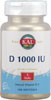
With some research on vitamin D you will find it is useful and beneficial in multiple ways for our health. I will surely continue to supplement my family with vitamin D when we cannot get it adequately from the sun. My favorite sources for supplementation are cod liver oil, where one tablespoon contains 1,360 IUs. I also use  Vitamin D3 softgels for me and my husband, 1000 IUs per softgel, and Vitamin D3 liquid drops for the kids, 400 IU per drop, a drop is placed on their daily omega 3 chewy vitamin, and they love it, easier to swallow than Cod Liver Oil!


Recommended Dietary Allowances (RDAs) for Vitamin D [1]
Age
Male
Female
Pregnancy
Lactation
0–12 months*
400 IU
(10 mcg)
400 IU
(10 mcg)


1–13 years
600 IU
(15 mcg)
600 IU
(15 mcg)


14–18 years
600 IU
(15 mcg)
600 IU
(15 mcg)
600 IU
(15 mcg)
600 IU
(15 mcg)
19–50 years
600 IU
(15 mcg)
600 IU
(15 mcg)
600 IU
(15 mcg)
600 IU
(15 mcg)
51–70 years
600 IU
(15 mcg)
600 IU
(15 mcg)


>70 years
800 IU
(20 mcg)
800 IU
(20 mcg)


* Adequate Intake (AI)
Clinical evidence has been accumulating to suggest that a higher dose is more appropriate to help maintain optimum health. So i give more than this above chart recommends. Dr Andrew Weil recommends 2,000 IU per day and says, "Don't be concerned that 2,000 IU will give you too much. With exposure to sunlight in the summer, the body can generate between 10,000 IU and 20,000 IU of vitamin D per hour with no ill effects. In addition, no adverse effects have been seen with supplemental vitamin D intakes up to 10,000 IU daily."


Resources:
http://ods.od.nih.gov/factsheets/vitamind
http://www.naturalnews.com/029760_vitamin_D_influenza.html#ixzz1fwtMpJoX
http://www.huffingtonpost.com/andrew-weil-md/new-recommendation-why-yo_b_446580.html

Sunday, November 27, 2011

The Benefits of Raw Milk

This is not a post to get you drinking animal milk if you don’t already. Humans are the only species that continue to drink milk after weaning, and act that in reality is unnecessary. See: http://www.celestialhealing.net/milkpage.htm this site correctly states that: The Biggest problem with cow’s milk is that the protein in the cow’s milk damages the human immune system. Amino acids, the units that make up proteins, are building blocks for all living cells. When amino acids in our food are properly broken down by the digestive system into protein, it does no harm to the immune system. Protein from milk, however, is absorbed into the blood fully indigested, provoking an immune response. Repeated exposure to these proteins disrupts normal immune functions and may eventually lead to diseases.
This is true when it comes to our typical consumption of store bought pasteurized mil
k. Raw milk on the other hand
contains its full complement of enzymes and lactase-producing bacteria needed by our bodies to break down and assimilate the milk sugar lactose. These helpful bacteria are killed in the pasteurization/homogenization process.

There are 60 plus (known) fully intact and functional enzymes in raw milk, each one of them essential in facilitating one key reaction or another. Some of them are native to milk, and others come from beneficial bacteria growing in the milk. I believe the most significant health benefit derived from food enzymes is the burden they take off our body. The amylase, bacterially-produced lactase, lipases and phosphatases in raw milk, break down starch, lactose (milk sugar), fat (triglycerides) and phosphate compounds respectively, making milk more digestible and freeing up key minerals. Other enzymes, like catalase, lysozyme and lactoperoxidase help to protect milk from unwanted bacterial infection, making it safer for us to drink.


Here is a link to a report detailing the science and rationale for drinking raw milk http://www.rawmilkcolorado.org/PDF/Why%20Raw%20Milk%20(Acrobat).pdf

If you live in Colorado a great website for information on raw milk or information on how and where you can purchase raw milk is http://www.rawmilkcolorado.org/

If you are not in Colorado I recommend visiting this page if you are interested in raw milk  http://www.realmilk.com/where1.html


References:
Enzyme Nutrition: the food enzyme concept, Avery, 1985. Howell, E. (pp. 4-7)

Farkye, N.Y., 'Amylases' In: Advanced Dairy Chemistry Vol. 1: Proteins 3rd Ed., Academic/Plenum Publishers, 2003. Fox, P.F., McSweeny, P., Eds. (pp. 580-581)

Olivecrona, T., et al, 'Lipases in Milk' In: Advanced Dairy Chemistry Vol. 1: Proteins 3rd Ed., (pp. 473-488)

Shakel-Ur-Rehman, et al, "Indigenous Phosphatases in Milk' In: Advanced Dairy Chemistry Vol. 1: Proteins 3rd Ed., (pp.523-533)

http://www.raw-milk-facts.com/Raw_Milk_FAQ.html

BPA and Its Effects on Our Bodies


BPA and its effects on your body:

BPA also known as Bisphenol A, is found in many plastic containers such as food containers, water bottles and in the lining of canned foods.

The National Toxicity Program has declared that consumers should have reason to be concerned about BPA because it can cause neural problems or behavioral problems in a pregnant woman's fetus as well as problems in infants and older children. Doctors have found that BPA can cause your estrogen levels to rise dramatically, regardless of whether you're a male or female. In males, this can cause prostate cancer and a lowered sperm count. In females, it can cause breast cancer. In children and even infants, BPA has been shown to promote hyperactivity, even promote early puberty in young girls.
BPA is an estrogen receptor agonist. These agonists can begin to mimic the human body's actual hormones which will cause the body to have similar physiological effects. Because of this, there is great concern that when exposed to extended low doses of BPA, it may provoke chronic toxicity in the human body.

Countries such as Canada have conducted their own studies and have declared to classify BPA as inherently toxic. According to Frederick Vom Saal, a BPA researcher and a biology professor at the University of Missouri, heat, acid, alcohol, harsh detergents, age and microwaving can also exacerbate the release of BPA.
Steps we can take to avoid BPA are to limit your use of canned foods and beverages, purchase foods and beverages in glass containers, or buy frozen vegetables. Instead of plastic containers, store your food in glass containers such as Pyrex containers. Defnitely do not heat your food in the micorwave in plastic containers since this causes the chemicals to leach out of the plastic at an increased rate, and i've heard that acidic foods such as tomatoes absorb the BPA from the can lining moreso than a more alkaline food will. Canning your own fruits, jams, tomatoes and sauces is a great way to avoid BPA. Look for a post on canning before next canning season!

See this site with info. on canned tomatoes along with some other great info on eating healthy:
http://wakeup-world.com/2011/10/06/7-foods-experts-wont-eat/